
In a major announcement that has reignited debate over consumer borrowing costs, U.S. President Donald Trump has called for a temporary one-year cap on credit card interest rates at 10%. The proposal, unveiled on January 9, 2026, through his social media platform Truth Social, is set to take effect on January 20, 2026, coinciding with the first anniversary of his second presidential term.
Details of the Proposal

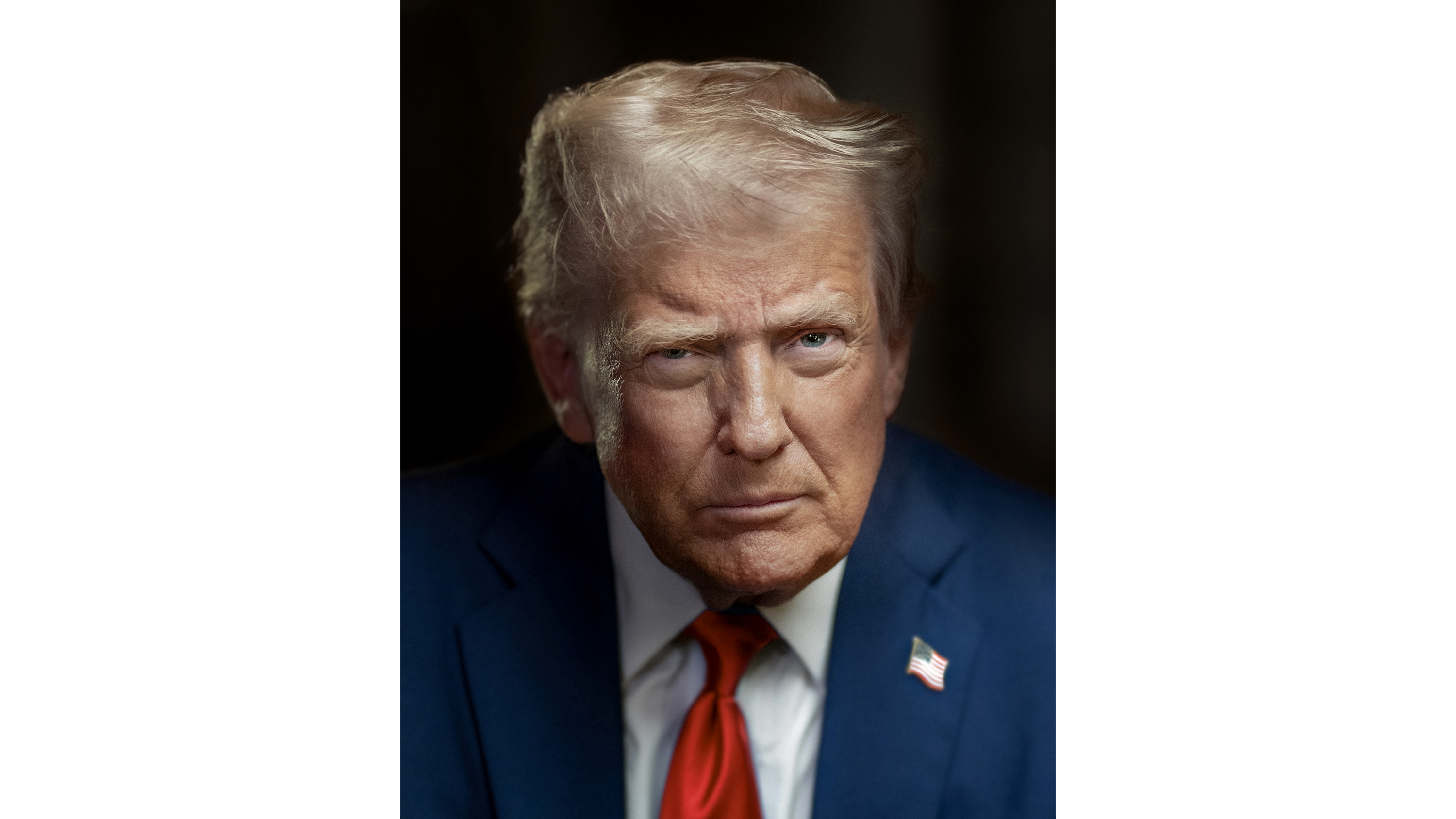
Trump emphasized that credit card companies have long charged excessively high interest rates, often ranging from 20% to 30% or more, leaving millions of Americans struggling with debt. By capping rates at 10%, he argued, households would gain relief from mounting financial pressure and enjoy fairer access to credit.
The president framed the move as part of his broader agenda to improve affordability for consumers and fulfill a campaign promise made during the 2024 elections. He emphasized that his administration would put an end to Americans being exploited by lenders.
Reactions and Criticism
While the announcement has drawn support from some lawmakers who see it as a step toward consumer protection, financial leaders have raised concerns. Hedge fund manager Bill Ackman called the proposal “a mistake,” warning that such a cap could disrupt credit markets and reduce access to loans for riskier borrowers.
Credit card issuers have also expressed reservations, noting that interest rates reflect lending risks. A sudden cap, they argue, could force companies to tighten credit availability, potentially hurting the very consumers the policy aims to help.
Broader Context
The debate over credit card interest rates is not new. For decades, consumer advocates have argued that high borrowing costs trap households in cycles of debt, while industry groups maintain that flexible rates are necessary to balance risk and reward. Trump’s proposal revives this long-running discussion and places it at the center of U.S. economic policy.
If implemented, the cap would represent one of the most significant interventions in consumer finance in recent years. It could affect millions of Americans who rely on credit cards for everyday expenses, emergencies, and small business operations.
The Trump credit card interest rate cap proposal underscores the administration’s focus on consumer affordability and financial fairness. While the plan promises relief for borrowers, it also raises questions about feasibility, enforcement, and unintended consequences in the credit market.
As the January 20 implementation date approaches, the proposal is likely to spark intense debate among policymakers, financial institutions, and households across the nation. Whether it becomes a turning point in U.S. consumer finance or a short-lived experiment remains to be seen.